Rug Pull Explained How Scams Work in Crypto
· based on the channel New brand channel
Rug pull is a deliberate crypto scam designed to steal investor funds by manipulating meme coins and tokens through engineered smart contracts. These scams are not random failures but carefully constructed exit strategies that exploit tokenomics, liquidity pools, and contract permissions to maximize profits for scammers while leaving investors with worthless tokens. Detailed understanding of rug pull tactics helps investors and developers identify and avoid becoming exit liquidity.
Engineered Tokenomics Behind Rug Pulls
Rug pulls use tokenomics strategically crafted to benefit scammers during the exit. They create large token supplies with emissions that encourage buying and hype but are designed to saturate the market during the dump phase. This engineered supply manipulation inflates prices temporarily before a sudden collapse, ensuring scammers profit from the pump-and-dump cycle. Investors often fail to notice this rigged supply distribution embedded in the contract's code.
Liquidity Pool Illusions and Fake Locks
Many rug pulls rely on fake or manipulated liquidity pools that appear locked or secure but are in fact controlled by scammers. These pools create an illusion of stability, attracting investors who believe their funds are safe. However, hidden dependencies and backdoors allow scammers to withdraw liquidity at the peak of investment, causing price crashes. Understanding liquidity pool mechanisms and verifying genuine locks with on-chain data is critical to avoid falling victim.
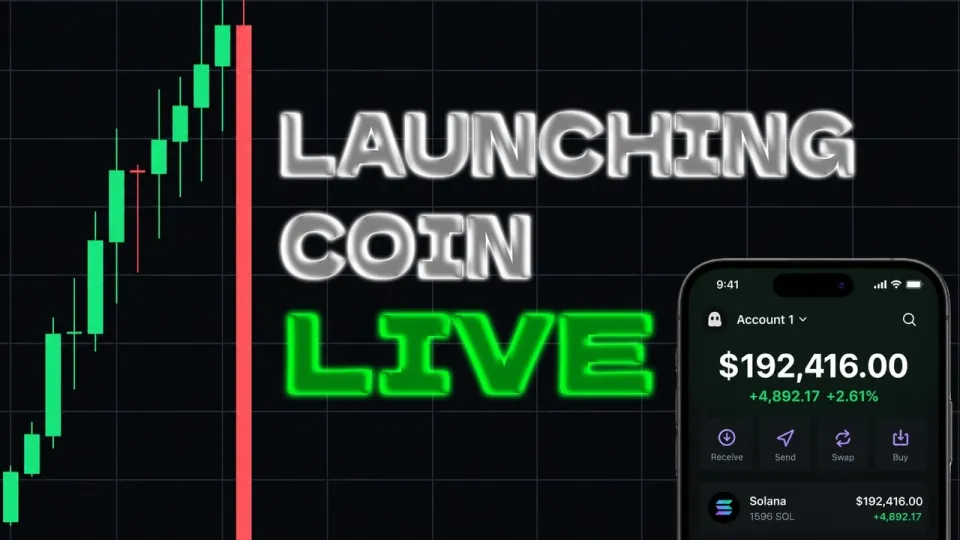
Video: Rug Pull Guide How to Launch a Meme Coin Step-by-Step
Admin Backdoors and Kill Switch Logic
Smart contracts in rug pulls often contain admin backdoors granting total control to the deployers. These permissions appear benign on the surface but enable actions like minting tokens, pausing trading, or draining liquidity at will. The "kill switch" logic is a hidden conditional trigger that activates only when total value locked (TVL) reaches a certain threshold, allowing scammers to exit at maximum profit without early detection. Identifying these permissions requires deep contract audits.
Forensic On-Chain Analysis to Spot Red Flags
Detecting rug pulls before collapse is possible through forensic on-chain analysis. Key indicators include abnormal token distribution, suspicious liquidity pool activity, sudden changes in contract ownership, and unusual transaction patterns. Tools that analyze tokenomics, liquidity locks, and permissions provide investors and auditors with the ability to flag potential scams early. Regular monitoring of these metrics reduces risk exposure.
Common Rug Pull Tactics in Meme Coins
Meme coins on chains like Solana frequently become vehicles for rug pulls due to their low barriers to creation and hype-driven markets. Typical tactics include rapid pump-and-dump schemes, misleading marketing about liquidity locks, and exploiting community trust. Scammers exploit meme coin enthusiasm by launching tokens with flashy names and social media campaigns before executing the rug pull.
How to Protect Yourself from Rug Pulls
To avoid becoming exit liquidity, investors should:
- Verify the authenticity of liquidity locks using trusted on-chain explorers.
- Review tokenomics for signs of engineered emissions favoring dumps.
- Check smart contract permissions for admin backdoors.
- Use forensic tools for transaction and ownership analysis.
- Stay informed about common tactics and warning signs.
Useful Links
Итог
Rug pulls represent a sophisticated, engineered threat in the crypto space, especially prevalent among meme coins. By understanding the mechanics of engineered tokenomics, fake liquidity pools, admin backdoors, and forensic on-chain indicators, investors and developers can better protect themselves from these scams. The detailed breakdown by New brand channel equips users with essential knowledge to identify rug pulls early and avoid losses. For further resources and tools, visit https://launch-tool.org.
Key takeaways
- Rug pulls are premeditated crypto exit scams embedded in smart contracts.
- Fake liquidity pools often disguise the true liquidity status.
- Admin backdoors grant scammers total control over tokens.
- Engineered tokenomics ensure maximum profits during the final dump.
- Forensic on-chain analysis can reveal rug pull patterns before collapse.
Source: Rug Pull Guide How to Launch a Meme Coin Step-by-Step · Markdown version
Questions & answers
What exactly is a rug pull in cryptocurrency?
A rug pull is a premeditated scam where developers create a token or meme coin with malicious intent, allowing them to drain liquidity and exit with investors' funds, leaving holders with worthless tokens.
How can I identify a rug pull before investing?
Look for signs like fake or unsecured liquidity pools, suspiciously engineered tokenomics favoring large dumps, admin backdoors in contracts, and unusual on-chain activity. Using forensic analysis tools helps detect these red flags early.
Are rug pulls common on specific blockchains or tokens?
Rug pulls are especially common in meme coins and on blockchains with low barriers to token creation, such as Solana. The hype and low regulation in these markets make them attractive targets for scammers.
What steps can developers take to prevent their projects from being mistaken for rug pulls?
Developers should ensure transparent and audited smart contracts, lock liquidity genuinely, avoid admin backdoors that can be exploited, and openly communicate with the community to build trust and legitimacy.